Skip to content
light to medium duty retention detention stormwater

What You Need To Know About Detention Tanks

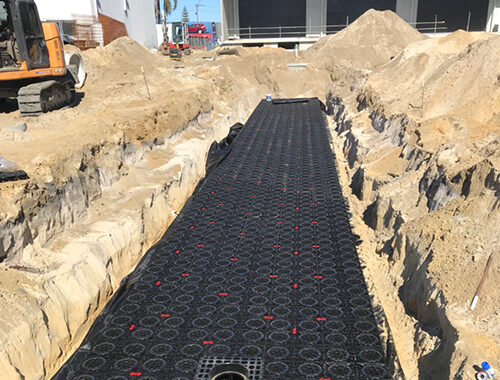
Rapid urban development is replacing natural soil with concrete faster than ever, leaving stormwater with nowhere to soak into the ground. This surge in hard surfaces can trigger intense local runoff, leading to strict council regulations and potential project delays…

Read more
surface water drainage - general pavements

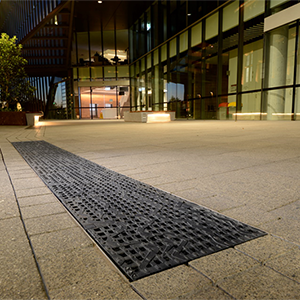
Effective Strip Drain Solutions For Superior Water Management

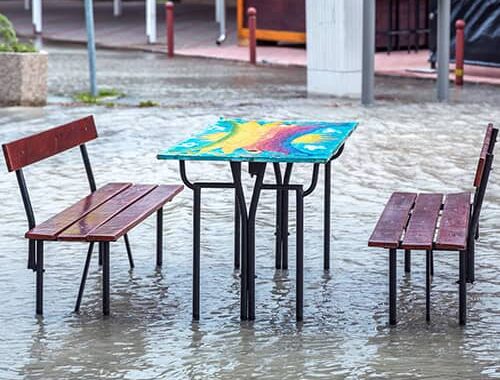
Heavy downpours can quickly turn outdoor patios or driveways into dangerous flood zones. According to the Australian Institute of Health and Welfare (AIHW), same-level slips and trips are the nation's leading cause of injury hospitalisations, triggering over 22,019 admissions from…

Read more

Design Safer and more walkable pavements

Freedom from cars, freedom from sprawl, freedom to walk your city! City planner Jeff Speck is well known for his "general theory of walkability" to transform sprawling cities of six-lane highways and large blocks into safe, walkable oases full of…

Read more

Why Engineers are moving away from specifying concrete stormwater tanks

Engineers often avoid specifying concrete stormwater tanks where site conditions, performance requirements, cost, and constructability create unacceptable risk or costly delays.

Concrete’s weight, rigidity, curing time and susceptibility to cracking, leaching and chemical attack make it less suitable in corrosive or reactive soils, high groundwater conditions, tight or obstructed sites, or projects with accelerated programs and limited access. Concerns around watertightness, long-term durability, maintenance, sustainability and water quality further reduce its appeal—particularly for reuse applications—leading designers to favour lighter, modular alternatives that offer faster installation, higher chemical resistance, flexibility and lower whole-of-life cost.

In a recent webinar held through Engineers Australia, the question was asked

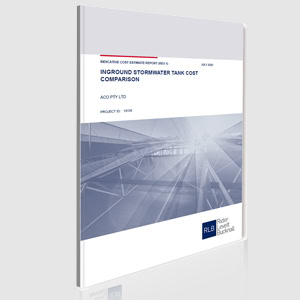
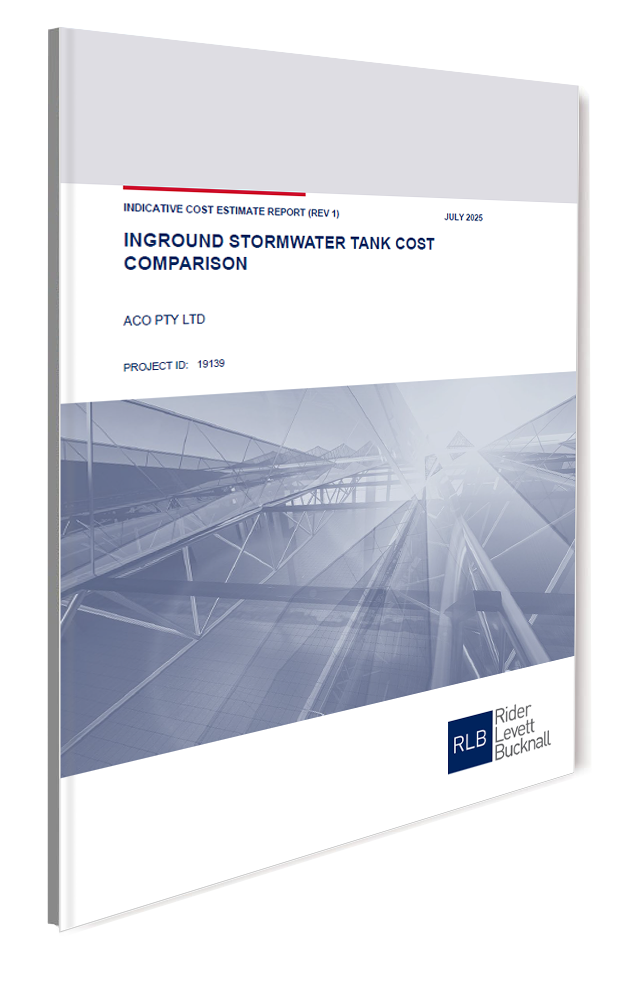
An independent report by Rider Levett Bucknall found that modular, precast, and cast in situ concrete tanks involve high transport, craneage, labour, and curing costs, making them more complex and expensive to install.

To learn more, click here
In what applications would you not specify concrete tanks and why?
Here are some of the responses

—————————————————————————————————————————————————————————————————————-

Read more

Preventive Measures: Avoiding Common Drainage Problems

In urban planning and construction, stormwater management is a critical component that demands attention from the outset. Effective drainage systems are not just about managing water flow; they are about safeguarding communities, protecting the environment, and ensuring sustainable development practices…

Read more

The importance of maintaining your drains

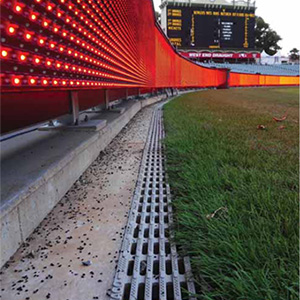
It’s important to note that a drain that isn’t maintained serves no purpose and will inevitably undermine safety and walkability. Trench drains are effectively the inlet structures of the stormwater network, these pavement elements must allow surface level access for…

Read more

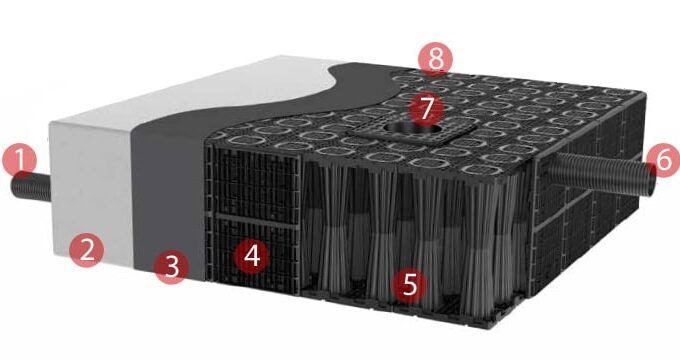
Underground Tanks for Civil Infrastructure – ACO StormBrixx®

For road, rail, port and airport pavements, the need for surface water management requires careful planning with an emphasis on: Minimising earthworks and pipework. Utilising existing pavement levels and drainage infrastructure. Integrating other water management requirements, for example OSD, rainwater…

Read more
ACO. we care for water
Back To Top
 Popular Searches  Hide Popular Searches